Overnight Focaccia Recipe: Crisp, Airy, No Knead
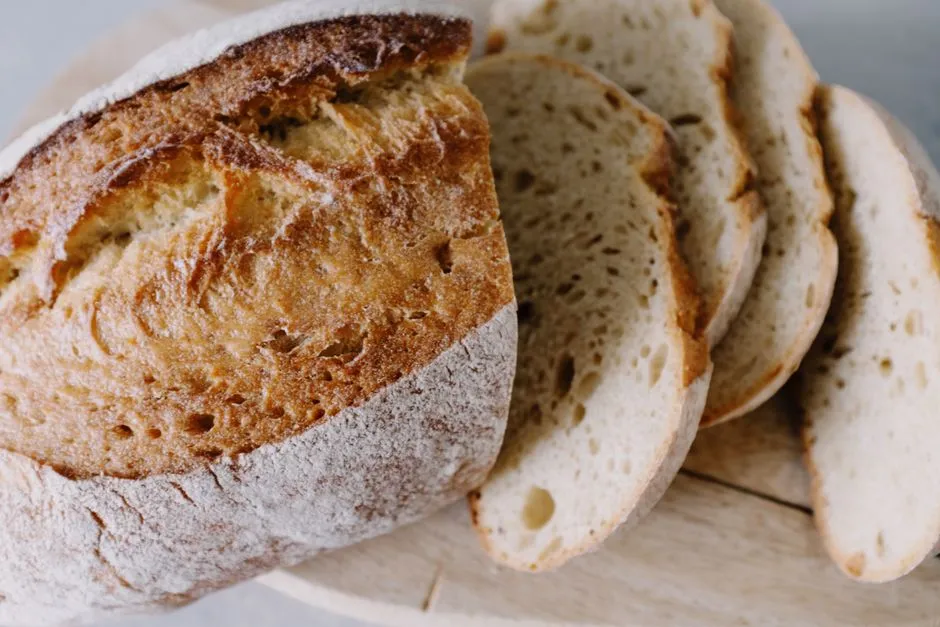
Overnight focaccia gets its flavor from the refrigerator
This overnight focaccia uses 500 g flour, 400 g water, 3 g instant yeast, 10 g salt, and 15 g olive oil in the dough. Three quick folds build strength; a 12–24 hour cold ferment builds flavor. The next day, the dough proofs in a well-oiled 9 × 13-inch pan until bubbly, then bakes at 450°F (230°C) for 22–28 minutes.
At 80% hydration, the dough is deliberately sticky. Do not “fix” it with extra flour. Water or oil on your hands makes it manageable, and the long rest does most of the kneading for you.
Recipe at a glance
- Yield: one 9 × 13-inch focaccia, about 12 pieces
- Hands-on time: about 25 minutes
- Cold fermentation: 12–24 hours
- Final proof: about 2–3 hours, longer in a cool room
- Bake: 22–28 minutes
- Oven: 450°F (230°C)
Ingredients
| Ingredient | Weight | Approximate US volume | Use |
|---|---|---|---|
| Unbleached all-purpose flour | 500 g | 4 cups + 2 tbsp | Dough |
| Water, 70–75°F (21–24°C) | 400 g | 1⅔ cups + 1 tsp | Dough |
| Instant yeast | 3 g | 1 tsp | Dough |
| Fine sea salt | 10 g | about 1¾ tsp | Dough |
| Extra-virgin olive oil | 15 g | 1 tbsp | Dough |
| Extra-virgin olive oil | 27 g | 2 tbsp | Pan |
| Extra-virgin olive oil | 18 g | 1 tbsp + 1 tsp | Topping |
| Flaky salt | 2 g | about ½ tsp | Topping |
| Fresh rosemary leaves, optional | 1–2 g | 1–2 tsp | Topping |
Volume flour varies substantially with scooping, so weigh it if possible. The water conversion is deliberately more precise than “about 1⅔ cups” because a few teaspoons matter in a wet dough.
Equipment
- digital kitchen scale;
- large mixing bowl with a cover;
- flexible dough scraper or spatula;
- light-colored metal 9 × 13-inch pan;
- instant-read thermometer, optional;
- wire cooling rack.
A glass or dark metal pan changes browning. Use only a pan rated for 450°F (230°C), and begin checking early if its dark surface tends to color bread quickly.
Night one: mix and fold
1. Combine the dry ingredients
In a large bowl, stir together the 500 g flour, 3 g instant yeast, and 10 g salt. Keeping the yeast and salt separate before mixing is unnecessary with instant yeast; an even dry mix prevents either from forming a concentrated pocket.
2. Add water and oil
Pour in 400 g room-temperature water and 15 g olive oil. Mix with a spatula or wet hand until no dry flour remains. Scrape the sides and bottom. The dough will look rough and loose, closer to a very thick batter than a kneadable ball.
Cover and rest for 20 minutes. During this rest, the flour hydrates and the dough begins building strength without work.
3. Give three folds
Wet one hand. Reach under one edge of the dough, stretch it upward until you feel resistance, and fold it across the center. Rotate the bowl and repeat on all four sides. That is one set.
Cover and rest 20 minutes. Repeat for a total of three sets, each separated by 20 minutes. The first fold may feel sloppy; by the third, the dough should hold together and pull away from the bowl in one elastic mass.
Do not aim for a dry, smooth bread dough. Focaccia's open crumb depends on holding that high proportion of water.
4. Refrigerate
Lightly oil the exposed surface or turn the dough once in a clean, lightly oiled bowl. Cover securely and refrigerate for 12–24 hours.
The dough may grow significantly or only modestly in the cold, depending on refrigerator temperature. Either can be normal. The decisive proof happens in the pan the next day.
If you prefer bread raised entirely with wild yeast, our beginner sourdough loaf uses a different fermentation system. Do not swap sourdough starter for instant yeast one-for-one here; starter adds both flour and water and changes the schedule.
Bake day: pan and proof
5. Oil the pan thoroughly
Pour 27 g olive oil into a 9 × 13-inch metal pan. Spread it across the bottom, into all four corners, and slightly up the sides.
Cold dough releases more easily if your hands are wet or oiled. Ease it from the bowl into the center of the pan without tearing.
6. Stretch without forcing
Turn the dough once so both sides pick up oil, then press it gently toward the corners. If it springs back, stop. Cover and let it relax for 15 minutes, then stretch again. Two or three patient rounds are better than ripping the gluten in one pull.
The dough does not need to form a perfectly sharp rectangle immediately. During proofing it will relax and spread.
7. Proof until airy and jiggly
Cover the pan and leave it at room temperature for about 2–3 hours. In a cool Northwest kitchen, it may take 4 hours or more. Read the dough rather than forcing the clock.
It is ready when:
- it has expanded toward the corners and risen visibly;
- bubbles show beneath or on the surface;
- the dough trembles when you nudge the pan;
- a lightly oiled fingertip leaves an indentation that returns slowly.
If the dough stays dense, move it to a comfortably warm—not hot—place and wait. Do not put a plastic bowl or proofing pan on a hot stove or heating element.
Dimple and top
About 30 minutes before the dough is ready, position a rack in the lower-middle oven and preheat to 450°F (230°C).
Drizzle 18 g olive oil over the proofed dough. Oil your fingertips, spread them apart, and press straight down to the pan in irregular rows. Deep dimples keep the oil in pockets and create focaccia's characteristic surface.
Be assertive but not frantic. A few large bubbles can remain. If one is huge enough to burn, gently pop it; do not press the entire dough flat.
Sprinkle with 2 g flaky salt and optional rosemary. Keep tender herbs lightly coated with oil so exposed leaves are less likely to scorch. Avoid loading the surface with wet vegetables on your first bake; they release water and change the bake.
Bake until deeply golden
Bake for 22–28 minutes, rotating the pan once after about 16 minutes if your oven browns unevenly. The top should be deep golden, the edges should pull slightly from the pan, and the underside should be crisp and browned.
If using an instant-read thermometer, the center should be about 200–205°F (93–96°C). Temperature is a supporting cue; color and a set crumb matter too.
Set the pan on a rack for 5 minutes. Run a thin spatula around the edges, then lift or slide the focaccia onto the rack. Leaving it in the pan too long traps steam and softens the bottom.
Cool at least 20 minutes before slicing. The crumb continues setting as steam redistributes.
Why this ratio works
The dough contains 400 g water for 500 g flour: exactly 80% hydration. That much water lets gas cells expand and gives the crumb its custardy openness, but it requires folds and patient pan handling.
Salt is 2% of the flour weight, a standard level that seasons the bread and helps regulate fermentation. The yeast is just 0.6% of flour weight—enough to work steadily through cold fermentation without racing through the dough before morning.
Olive oil in the dough tenderizes the crumb. Oil under and over the dough effectively shallow-fries the crust where it touches the hot pan.
A sample schedule
| Time | Task |
|---|---|
| 7:00 p.m. | Mix dough |
| 7:20 p.m. | First fold |
| 7:40 p.m. | Second fold |
| 8:00 p.m. | Third fold |
| 8:20 p.m. | Cover and refrigerate |
| 4:00 p.m. next day | Oil pan and add dough |
| 4:15–4:45 p.m. | Stretch in stages |
| 6:30 p.m. | Preheat oven |
| 7:00 p.m. | Dimple and bake |
| 7:30 p.m. | Cool on rack |
Shift the clock to fit your day. The cold window provides flexibility, while the room-temperature proof remains visual.
Troubleshooting
Dense crumb
The final proof was probably short, the room was cool, or the yeast was inactive. Wait for visible bubbles and a jiggle before baking. Check the yeast's date and store it as its package directs.
Dough spreads but never rises
An overfermented dough can lose strength, especially after a warm first night or a refrigerator that runs high. Use the shorter 12-hour cold window next time and refrigerate promptly after folds.
Pale, soft bottom
Use a metal pan, the full lower oil amount, and the lower-middle rack. Make sure the oven is fully preheated. Remove bread from the pan soon after baking so steam can escape.
Top is dark before the center sets
Move the pan one rack lower or tent loosely with foil near the end. A dark pan or sugary topping accelerates browning.
Focaccia sticks
Coat corners and sides with oil before adding dough. Loosen the bread while it is still warm. For a badly worn pan, a fitted parchment sheet under the oil adds insurance, though the bottom may be slightly less crisp.
Variations that keep the formula intact
For a first variation, add one of these after dimpling:
- thinly sliced garlic tossed in the topping oil;
- cracked black pepper and rosemary;
- a small handful of pitted olives, pressed gently into the dough;
- lemon zest and thyme;
- grated hard cheese added during the final 8–10 minutes so it does not burn.
Keep wet, heavy toppings restrained. Tomato slices, raw mushrooms, and piles of cheese can block evaporation and leave gummy patches.
Storage and reheating
Focaccia is best the day it is baked. Once completely cool, store it airtight at room temperature for up to two days. The refrigerator is safe but speeds ordinary bread staling.
For longer storage, cut into portions, wrap well, and freeze. Reheat thawed pieces at 350°F (175°C) until warm and crisp at the edges. A toaster oven works well for single servings.
If the slower pace of fermentation suits you, make a starter with our seven-day sourdough guide. For more gram-first formulas, browse Breads.